31 October 2026
What Is Pressure Cleaning? A Guide for Glenelg Homes
Presented by @remingtonnyjj306
Pressure cleaning uses a pump to deliver water through a specialised nozzle at high pressure, loosening dirt and surface build-up. For Glenelg homes, it can help maintain driveways, paths, patios and other outdoor areas exposed to coastal conditions. However, effective https://edgarqmnp631.moderncairn.com/posts/oil-stains-on-your-driveway-explore-your-cleaning-options cleaning depends on matching the pressure, equipment and cleaning solution to the surface—not simply using the strongest setting.
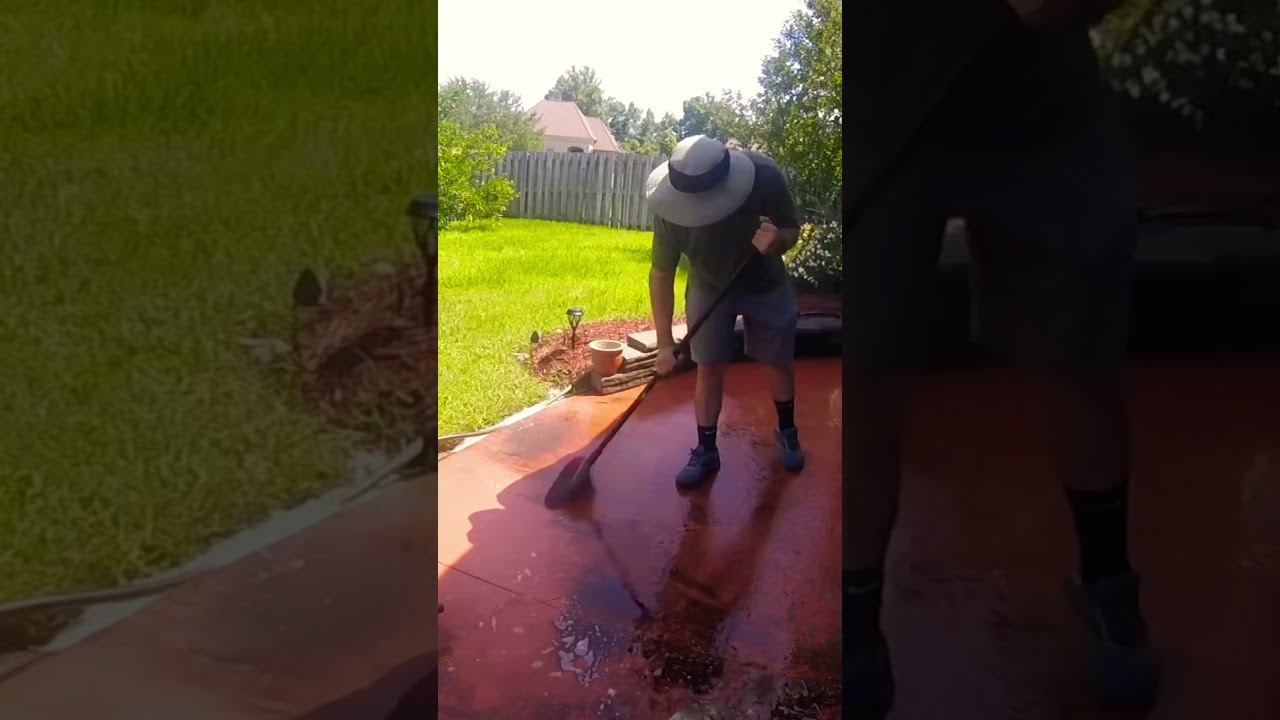
Why Glenelg Homes Benefit from Pressure Cleaning
Glenelg’s coastal location exposes properties to windblown sand and salt deposits. Shaded or damp areas can also develop algae, making paving and paths slippery. Appropriate cleaning removes accumulated grime and improves the appearance of outdoor spaces.
Pressure cleaning is maintenance, not a repair. It does not fix cracked concrete, deteriorating mortar or corrosion. Inspecting surfaces before cleaning helps identify damage that needs attention first.
Which Surfaces Can Be Pressure Cleaned?
Sound concrete driveways and suitable outdoor paving are common candidates. Brickwork, natural stone and coated surfaces require closer assessment because their condition and finish affect the safest cleaning method.
- Concrete: A surface-cleaning attachment can provide a more even finish than a narrow jet. New concrete needs sufficient curing time before cleaning, following the supplier’s advice.
- Pavers: Excessive pressure can remove jointing sand. Check joints afterwards and replenish them with the appropriate material if necessary.
- Timber decking: High pressure can raise fibres or gouge boards. Use a timber-compatible cleaning method and follow coating manufacturer instructions.
- Render and painted surfaces: Lower-pressure washing is often more suitable, particularly where paint or coatings are ageing.
Do not pressure clean suspected asbestos-containing materials. Older homes may contain asbestos cement products; seek advice from a qualified asbestos professional before disturbing them.
Pressure Cleaning Versus Soft Washing
Pressure cleaning relies primarily on water force to dislodge grime. Soft washing uses lower pressure with an appropriate cleaning solution to treat contamination. It is often selected for delicate exterior surfaces where high pressure could cause damage.
Neither method suits every material. Cleaning products must be compatible with the surface and used according to their labels, with precautions to protect plants, pets and nearby finishes. Oil stains, rust and established biological growth may need targeted treatment rather than additional pressure.

Preparing Your Property for Cleaning
- Move vehicles, outdoor furniture, pot plants and other loose items away from the work area.
- Close windows and doors, and identify damaged seals or openings where water could enter.
- Point out electrical fittings, cracked surfaces, loose mortar and delicate landscaping to the operator.
- Plan how wastewater will be contained or collected before cleaning begins.
- Keep children and pets away during cleaning and until surfaces are safe to access.
Managing Water and Runoff Responsibly
Cleaning runoff can carry detergent, sediment, oil and other pollutants. Do not allow contaminated wash water to enter stormwater drains, which can carry pollution to coastal waters. Sweeping up loose debris first reduces the material that needs to be captured.
A professional should explain their runoff controls and disposal arrangements. Check current SA Water requirements and relevant City of Holdfast Bay or EPA South Australia guidance before starting, particularly if work affects a footpath or other public area.

DIY or Professional Pressure Cleaning?
Small, accessible areas of sound concrete may suit careful DIY cleaning. Follow the equipment instructions, wear eye protection and enclosed, slip-resistant footwear, and test an inconspicuous area first. Never direct the jet at people, animals or electrical equipment, and avoid operating a pressure cleaner from a ladder.
For fragile materials, extensive staining or larger areas, professional assessment is worthwhile. When comparing Glenelg pressure cleaning services, ask about insurance, surface-specific methods, wastewater management and whether the quote includes stain treatment or replacement jointing sand.
How Often Should You Clean?
There is no fixed schedule for every Glenelg property. Inspect outdoor surfaces regularly and arrange cleaning when grime or slippery growth develops. Shaded paths may need attention sooner than sunny areas. Gentle routine maintenance and a surface-appropriate method are better than repeated aggressive cleaning.
Glenelg Pressure Cleaning
Unit 3/2-4 Byre Ave, Somerton Park SA 5044
(08) 7282 0893